



Share This Article
Money talks, and when it comes to property taxes, veterans across America might be leaving thousands of dollars on the table each year. While many know about VA loans and healthcare benefits, property tax exemptions remain one of the best-kept secrets in military benefits.
Why Veterans Skip This Golden Opportunity
All U.S. states offer disabled veterans some form of property tax exemption, though eligibility is usually contingent on meeting certain disability ratings. Yet countless eligible veterans continue paying full property taxes simply because they haven’t applied. The reason? Obtaining a veterans exemption is not automatic – If you’re an eligible veteran, you must submit the initial exemption application form to your assessor. Think of it like claiming a rebate you’ve already earned but haven’t bothered to mail in.
What’s Actually Available (It’s Better Than You Think)
The benefits vary dramatically by state, but the potential savings can transform your housing costs:
Full Property Tax Elimination
Twenty states offer no property tax for 100% disabled veterans, meaning eligible veterans are completely exempt from paying property taxes on their primary residence. The states are Alabama, Arkansas, Florida, Hawaii, Illinois, Iowa, Louisiana, Maryland, Michigan, Mississippi, Nebraska, New Hampshire, New Jersey, New Mexico, Oklahoma, Pennsylvania, South Carolina, Texas, Virginia, and West Virginia.
Partial but Substantial Relief
States without full exemptions still offer meaningful reductions. In Texas, veterans with 70-99% disability ratings receive a $12,000 property tax exemption, while those with 50-69% ratings get $10,000 off. Even a 10% rating can yield $5,000 in annual savings.
Beyond Disability Ratings
Don’t assume you need a high disability rating to benefit. New York offers exemptions for veterans who served during designated wartime periods or received expeditionary medals, regardless of disability status.
The Application Reality Check
Here’s where many veterans stumble. Each state handles applications differently, and timing matters more than you’d expect.
Critical Deadlines
The deadline in most communities is March 1—please confirm the date with your assessor. Miss this window, and you’re typically waiting until the following year to start saving.
Some states offer more flexibility. Maryland veterans with 100% permanent and total disability can apply at any time and don’t have to meet the September 1 filing deadline.
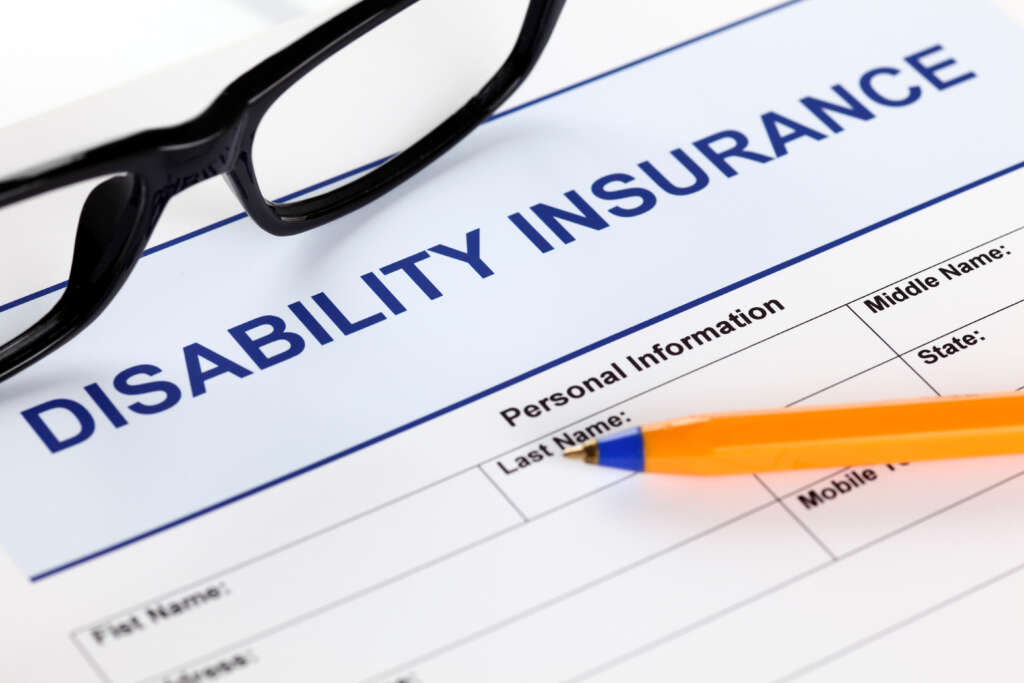
Required Documentation
You’ll typically need three key documents:
- VA disability rating letter showing your current percentage
- DD-214 discharge papers proving honorable service
- Property deed confirming ownership and primary residence status
A VA Benefit Summary Letter is required to be attached to the application at the time of submission in many states.
Beyond the Obvious: Hidden Opportunities
Smart veterans look beyond the standard exemptions. Many states allow you to stack multiple tax breaks.
Depending on where you live, it is often possible to claim multiple property tax exemptions simultaneously. Combining multiple tax exemptions can further reduce your taxable property value, saving you even more money.
Common stackable exemptions include homestead, senior citizen, and disabled veteran benefits. The savings can compound into truly significant reductions.
Surviving Spouses Keep the Benefits
Surviving spouses of 100% disabled veterans are allowed to move to a different Virginia locality and take the exemption with them. Many states extend these protections to military families, ensuring benefits continue even after loss.
State Spotlight: What’s Happening in 2025
Several states have expanded their veteran benefits this year:
Connecticut now provides a full property tax exemption for veterans with a total and permanent service-connected disability rating from the VA, effective October 1, 2024.
Michigan’s disabled veterans with 100% VA disability, specially adapted housing aid, or unemployability rating (or their un-remarried surviving spouse) exempt their homestead starting 2025 without reapplication.
Don’t Wait: Start Your Application Today
Contact your county tax assessor’s office – they’re your gateway to these benefits. Don’t let another tax year slip by while money stays in government coffers instead of your pocket.
Most exemptions, once approved, renew automatically as long as you remain at the same address and your veteran status doesn’t change. It is a one-time filing, as long as it remains your primary residence.
The process typically takes 15 minutes of paperwork for potentially thousands in annual savings. For a benefit you’ve already earned through service, that’s time exceptionally well spent.
What disability rating do I need?
States vary: some offer partial exemptions starting at 10%, while others require 100%. Most full exemptions go to veterans with 100% Permanent & Total (P&T) ratings.
Do I need to reapply every year?
Most states grant exemptions that renew automatically. Once granted, applicants are not required to reapply from the same address unless their VA status changes.
Can I apply if I move to a new home?
Yes, but you’ll need to submit a new application. If the applicant moves to a new property, they must submit a new application along with their VA Benefit Summary Letter to the county assessor’s office.
What if I’m not 100% disabled?
Not 100% disabled? You might still qualify. Many states offer scaled benefits based on your current rating percentage.
How long does approval take?
Processing times vary, but if you qualified for a prior year Disabled Veterans’ Exemption, it takes approximately 3 months for the San Diego County Tax Collector to issue a refund.

