



Share This Article
When you’re unconscious or unable to communicate during a medical emergency, the information on your medical ID can prevent dangerous treatment mistakes and save thousands of dollars in unnecessary tests. Emergency responders look for medical IDs, and having the right information readily available can dramatically change your emergency care experience.
What Emergency Responders Need to Know
First responders check for medical IDs within the first few minutes of arriving on scene. They need to know about life-threatening allergies, chronic conditions that affect treatment decisions, medications that could interact with emergency drugs, and emergency contacts who understand your medical situation.
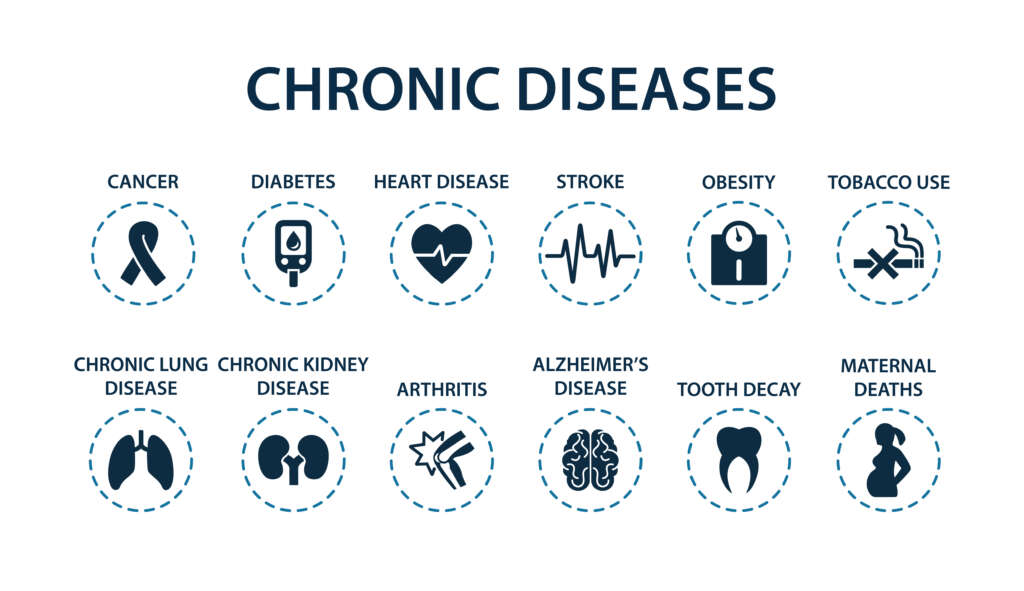
Your medical ID should include conditions like diabetes, heart disease, seizure disorders, or blood clotting problems that directly impact emergency treatment. Don’t list every health issue – focus on conditions that emergency medical personnel need to know about immediately.
Drug allergies, especially to common emergency medications like penicillin, morphine, or contrast dyes, should be prominently listed. Include the type of reaction you have, not just the medication name.
Current medications that could cause dangerous interactions with emergency treatments are crucial information. Blood thinners, diabetes medications, and heart medications top this list because they affect what emergency drugs can be safely administered.
Technology Options for Medical ID
Smartphone medical ID features work well because EMTs are trained to check phones for emergency information. Both iPhone and Android devices have emergency medical information accessible from the lock screen without needing to unlock the phone.
Medical alert bracelets remain the gold standard because they’re immediately visible and don’t depend on battery life or technology. Choose engraved metal over printed materials that can fade or become illegible over time.
Medical alert necklaces work well for people who don’t like wearing bracelets or whose work makes bracelets impractical. Pendants should be large enough for emergency responders to notice quickly.
QR code medical IDs link to detailed online medical profiles that can include more information than fits on physical jewelry. However, these depend on internet connectivity and EMT familiarity with the specific system.
Information That Saves Money
Having accurate medical information immediately available prevents expensive duplicate testing in emergency rooms. If EMTs know you have diabetes, ER staff won’t need to run blood tests to figure out why you’re unconscious – they can treat low blood sugar immediately.
Drug allergy information prevents adverse reactions that could require intensive care treatment. Knowing you’re allergic to penicillin means getting appropriate antibiotics from the start rather than treating an allergic reaction after giving the wrong medication.
Emergency contact information helps hospitals reach someone who knows your medical history, insurance information, and treatment preferences. This prevents delays in care authorization and helps coordinate with your regular doctors.
Insurance information or medical record numbers on your ID can speed up the billing process and ensure you’re treated at facilities that accept your coverage when possible.
Setting Up Smartphone Medical ID
Access your phone’s emergency medical ID feature through the health app or settings menu. Include your name, birth date, medical conditions, medications, allergies, and emergency contacts.
Keep the information current by updating it whenever medications change or new conditions develop. Set a monthly reminder to review and update your medical ID information.
Make sure your emergency contacts know they’re listed and understand your medical situation well enough to communicate with healthcare providers. Choose people who can remain calm during emergencies and advocate for your care.
Test your medical ID setup by asking someone else to access it from your phone’s lock screen. Make sure the information displays clearly and includes everything emergency responders would need.
Physical Medical ID Best Practices
Choose medical IDs that clearly say “MEDICAL ALERT” or display the medical symbol (snake and staff) that emergency responders recognize immediately. Avoid decorative jewelry that might not be recognized as medical information.
Engrave essential information only – name, primary medical condition, critical drug allergies, and emergency contact number. Additional details can go on the back or be included in smartphone medical ID.
Wear your medical ID consistently. It only helps if you have it on during an emergency, so choose something comfortable enough to wear daily.
The MedicAlert Foundation provides comprehensive medical ID services and maintains 24/7 emergency response services that can provide detailed medical information to healthcare providers.
Consider waterproof options if you swim, shower with jewelry on, or work in wet conditions. Medical emergencies don’t wait for convenient times, and your ID needs to be readable regardless of conditions.
Keeping Information Current
Review your medical ID information every time you get new prescriptions, change doctors, or develop new health conditions. Outdated information can be worse than no information in emergency situations.
Update emergency contact information when phone numbers change or when your primary emergency contact’s situation changes. Make sure the person you list is still the best choice to advocate for your care.
Replace physical medical IDs when they become worn, scratched, or difficult to read. Emergency responders need to be able to read your information quickly and clearly.
Medical ID isn’t just about saving your life – it’s about ensuring you get appropriate, efficient care that doesn’t waste time or money on unnecessary procedures. The few minutes it takes to set up proper medical identification can prevent hours of expensive emergency room confusion and potentially dangerous treatment delays.

