



Share This Article
Managing a chronic condition used to mean endless trips to doctor’s offices, sitting in waiting rooms full of sick people, and taking time off work for routine check-ins. Telehealth has changed that equation significantly, offering genuine medical care from your home that works particularly well for ongoing condition management.
What Works Well Through Video Visits
Routine monitoring appointments translate perfectly to telehealth. If you need regular check-ins for medication adjustments, symptom tracking, or treatment plan updates, video visits often work better than in-person appointments because you’re in your familiar environment where you actually live with your condition.
Medication management becomes more convenient when you can discuss side effects, dosage changes, and new prescriptions from home. Your doctor can review your symptoms, adjust medications, and send prescriptions directly to your pharmacy without you leaving the house.
Mental health appointments often work better via telehealth for many people. You’re in your own space, there’s no commute stress, and you can have privacy without worrying about running into people you know in a medical building.
Nutrition counseling and diabetes education programs adapt well to video format. Registered dietitians can review your food logs, discuss meal planning, and provide education about managing your condition through nutrition from your kitchen where you actually prepare food.
Follow-up appointments after procedures or hospital stays work well remotely. Your doctor can check on your recovery, review test results, and address concerns without requiring you to travel when you might not feel well.
Conditions That Benefit Most from Remote Care
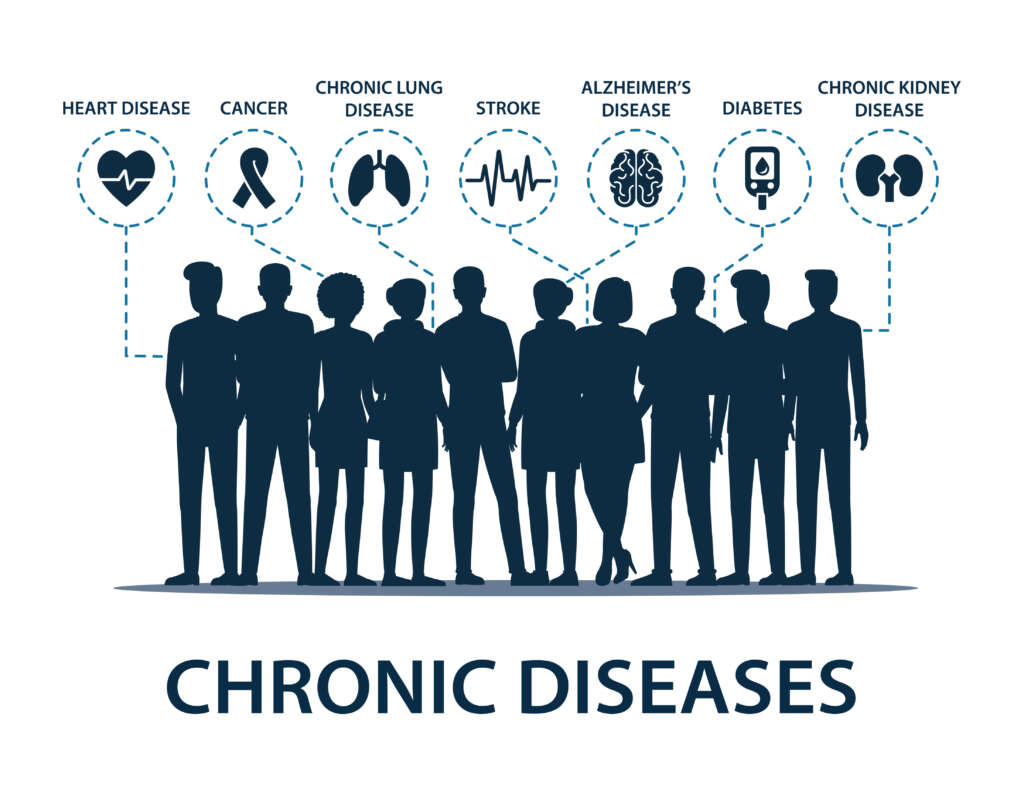
Diabetes management through telehealth includes medication adjustments, review of blood sugar logs, nutrition counseling, and education about managing your condition. Many endocrinologists now offer primarily telehealth visits for routine diabetes care.
Mental health conditions like depression, anxiety, and PTSD often respond well to teletherapy. You can access specialized mental health providers who might not be available in your area, and appointments can fit more easily into your schedule.
Professional mental health organizations provide guidance on telehealth effectiveness for various mental health conditions and what to expect from remote therapy sessions.
Chronic pain management includes medication adjustments, discussion of pain levels and functionality, and coordination with other treatments. Many pain management specialists use telehealth for routine visits.
Heart disease monitoring works well remotely when combined with home monitoring devices. Cardiologists can review your blood pressure logs, discuss symptoms, and adjust medications based on data you collect at home.
Autoimmune conditions like rheumatoid arthritis, lupus, and multiple sclerosis benefit from regular telehealth check-ins for symptom monitoring, medication management, and treatment plan adjustments.
Technology That Makes Remote Care Effective
Remote monitoring devices send data directly to your healthcare team. Blood pressure cuffs, glucose monitors, pulse oximeters, and weight scales can transmit readings that your doctor reviews before or during your telehealth appointment.
Smartphone apps designed for specific conditions help track symptoms, medications, and vital signs. Many integrate with telehealth platforms so your doctor can see your data during virtual visits.
The Office of the National Coordinator for Health Information Technology provides resources about telehealth technology and patient rights for remote care.
Secure messaging through patient portals allows communication between appointments for non-urgent questions, prescription refills, and sharing of test results or photos when relevant.
Digital health platforms specifically designed for chronic conditions combine telehealth visits with remote monitoring, medication management, and educational resources tailored to your specific health needs.
Insurance Coverage for Telehealth
Most insurance plans now cover telehealth visits at the same rate as in-person appointments for routine care and chronic condition management. This includes Medicare, Medicaid, and employer-sponsored plans.
Medicare’s telehealth coverage has expanded significantly and includes many services for chronic condition management that can be provided remotely.
Some plans have expanded telehealth coverage beyond what was available before the pandemic, recognizing that remote care can be more convenient and cost-effective for certain types of medical care.
Prior authorization requirements for telehealth are generally the same as for in-person visits. If your insurance covers routine visits with your specialist, they typically cover those same visits conducted via video.
Making Telehealth Work for Your Condition
Preparation makes telehealth appointments more effective. Have your medication list, symptom diary, and any relevant measurements ready before your appointment starts.
Good lighting and camera positioning help your doctor see you clearly. Sit near a window or good light source, and position your camera at eye level so your doctor can observe your appearance and any visible symptoms.
Test your technology beforehand. Make sure your internet connection is stable, your device is charged, and you know how to access your telehealth platform before your appointment time.
Create a quiet, private space for your appointment where you can speak freely about your health concerns without interruptions or privacy worries.
When You Still Need In-Person Care
Physical examinations that require touching, listening with a stethoscope, or visual inspection of specific body parts need to happen in person. Most chronic conditions require periodic in-person visits even when routine care happens remotely.
Laboratory tests, imaging studies, and procedures require in-person visits, though your doctor can review results and discuss next steps via telehealth afterward.
New symptoms or acute changes in your condition often need in-person evaluation, especially if your doctor needs to perform a physical examination to assess the problem.
Annual physical exams and preventive screenings typically happen in person, though follow-up discussions about results can occur via telehealth.
Telehealth has proven particularly valuable for chronic condition management because it removes barriers to regular care while maintaining the quality of medical oversight that ongoing health conditions require. The combination of convenience, accessibility, and genuine medical effectiveness makes remote care a practical option for many people managing long-term health conditions.

