



Share This Article
Student loans touch nearly every aspect of your financial life, but their relationship with your credit score creates both opportunities and pitfalls that many borrowers don’t fully understand. The good news? When managed properly, student loans can actually help build your credit history. The challenge comes in navigating the complex ways these loans impact your financial profile.
Understanding the Credit Score Connection
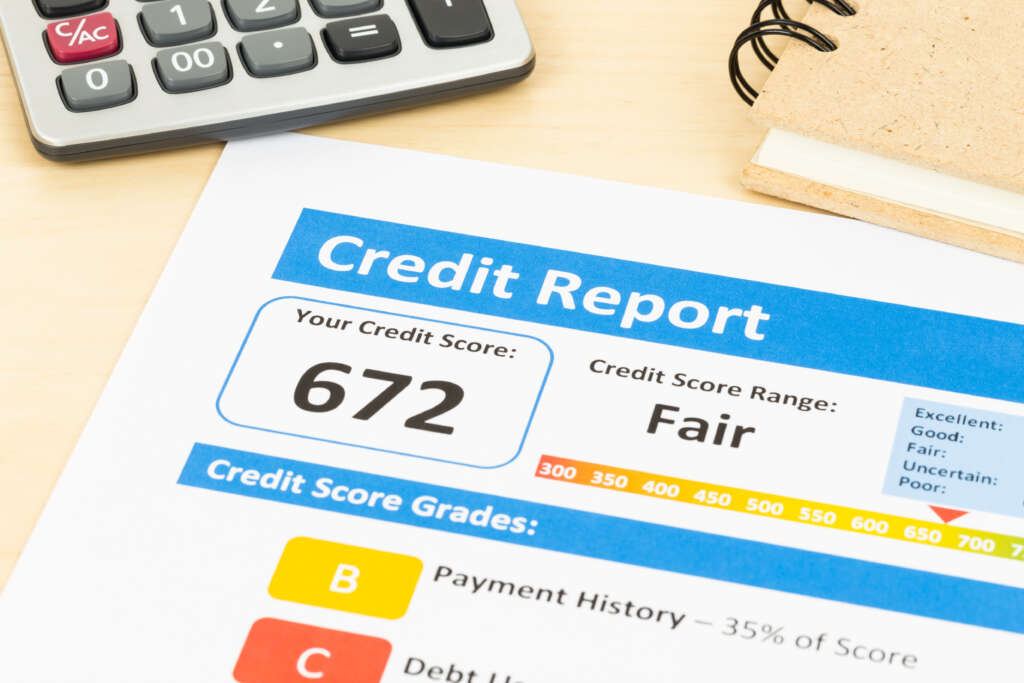
Your credit score calculation involves five main factors, and student loans influence most of them. Payment history carries the most weight at 35% of your score, which means making your monthly student loan payments on time significantly helps your credit rating. Even if you’re only paying the minimum amount, consistent on-time payments demonstrate reliability to future lenders.
Credit utilization typically applies to revolving credit like credit cards, but student loans affect your overall debt-to-income ratio. While this doesn’t directly impact your credit score calculation, lenders consider this ratio when you apply for mortgages, car loans, or other major credit decisions.
The length of your credit history accounts for 15% of your score. Student loans often represent one of the first major credit accounts for young adults, establishing a credit history that grows stronger over time. Someone who took out student loans at 18 and maintains good payment habits will have several years of positive credit history by graduation.
How Different Loan Types Affect Credit Differently
Federal student loans and private student loans appear similarly on your credit report, but they come with different protections and repayment options. Federal loans offer income-driven repayment plans, deferment, and forbearance options that can help you avoid missed payments during financial hardship.
Private student loans typically have fewer flexible repayment options, making them potentially riskier for your credit score if you encounter financial difficulties. However, both types of loans report payment history to credit bureaus monthly, so consistent payments help your score regardless of the loan type.
Consolidated student loans create a new loan account on your credit report while closing the original loan accounts. This process can temporarily affect your credit score by changing your average account age, but the impact usually minimizes over time with continued good payment habits.
The Double-Edged Sword of Student Loan Payments
Making student loan payments on time builds positive payment history, but missed payments damage your credit score significantly. A single late payment can drop your score by 60 to 110 points, depending on your overall credit profile. The impact becomes more severe with multiple missed payments or accounts that fall into default.
Student loan default occurs after 270 days of non-payment for federal loans, while private loan default timelines vary by lender. Default status severely damages credit scores and can take years to recover from, even after bringing the loans current.
However, federal student loan rehabilitation programs allow borrowers to remove default status from their credit reports by making nine consecutive on-time payments. This provides a path to credit recovery that many other types of defaulted debt don’t offer.
Strategic Approaches to Managing Student Loans for Better Credit
Consider setting up automatic payments for your student loans. Most federal loan servicers offer a 0.25% interest rate reduction for autopay enrollment, and automatic payments eliminate the risk of accidentally missing due dates. Many borrowers find that automating payments helps maintain consistent payment history without constant monitoring.
If you’re struggling with payments, contact your loan servicer immediately to discuss options like income-driven repayment plans or temporary forbearance. These alternatives prevent missed payments from appearing on your credit report while you work through financial difficulties.
Making extra payments toward student loan principal can help your overall financial picture, but it doesn’t directly improve your credit score faster than making regular on-time payments. Focus on consistency over payment amount when your primary goal involves credit building.
Long-Term Credit Building Strategies
Student loans represent installment credit, which differs from revolving credit like credit cards. Having both types of credit accounts on your report demonstrates credit mix diversity, which accounts for 10% of your credit score calculation.
Consider keeping student loan accounts open even after paying them off, as closed accounts continue reporting payment history for up to 10 years. However, this happens automatically with student loans since you can’t voluntarily close these accounts like credit cards.
Monitor your credit report regularly through AnnualCreditReport.com to ensure your student loan payments are reporting accurately. Errors in payment history or account status can hurt your score unnecessarily, and catching these mistakes early makes corrections easier.
Remember that student loans impact your credit for many years, often well into your career development. The payment habits you establish during school and early career years create a foundation that affects your ability to qualify for mortgages, car loans, and other major financial milestones. Treating student loan payments as seriously as any other credit obligation serves your long-term financial goals.

