



Share This Article
Military Sexual Trauma represents one of the most underreported and misunderstood aspects of veterans’ disability claims, yet it affects an estimated 23% of women and 1% of men who served in the military. The VA has specific procedures for MST-related claims that differ significantly from other disability claims, including relaxed evidence requirements and specialized mental health services. Understanding these unique pathways can help veterans access benefits they’ve earned while navigating the complex emotional and legal challenges that MST claims present.
Your Privacy and Dignity Come First
The most important thing to know is that you control how much you share. You never have to describe details of what happened to file a claim or receive benefits. The VA understands that many survivors didn’t report incidents during service due to valid fears about career consequences, judgment, or retaliation.
What the VA Considers Military Sexual Trauma
The VA defines Military Sexual Trauma as any unwanted sexual experience during military service. This includes assault, harassment that made you fear for your safety or career, unwanted touching, or any sexual activity that happened without your consent. The trauma is valid regardless of who was involved or where it happened – during training, on base, or at military events.
How MST Differs from Other VA Claims
MST-related disability claims operate under special evidence rules that recognize the unique challenges survivors face. Unlike other VA claims that require contemporaneous medical records or service connection documentation, MST claims allow alternative forms of evidence to establish that the trauma occurred during service.
The VA accepts various types of “markers” as evidence of MST, including changes in military performance, requests for transfers, relationship problems documented in service records, or increased use of alcohol or drugs. Even absence without leave (AWOL) episodes or disciplinary actions can serve as evidence if they correlate with the timeframe of the trauma.
Mental health conditions resulting from MST don’t require a formal diagnosis during service to qualify for benefits. The VA recognizes that many survivors didn’t report incidents or seek treatment during service due to fear, shame, or concern about career consequences. Current mental health symptoms can be linked to past MST even without military medical records documenting the original trauma.
Common Evidence Markers for MST Claims
• Sudden changes in military performance or behavior
• Requests for duty assignment changes or transfers
• Increased sick calls or medical visits for unexplained symptoms
• Relationship problems or changes in personal relationships
• Disciplinary actions or AWOL incidents following the trauma
Mental Health Conditions Connected to MST
Post-Traumatic Stress Disorder represents the most common mental health condition associated with MST claims, but the VA recognizes that trauma can manifest in many ways. Depression, anxiety disorders, substance abuse disorders, and personality disorders can all be service-connected if they resulted from MST during military service.
Sleep disorders, eating disorders, and sexual dysfunction frequently accompany MST-related mental health conditions and can qualify for separate disability ratings. The VA evaluates these conditions based on their impact on occupational and social functioning rather than requiring specific diagnostic criteria to be met during service.
Complex trauma from MST often creates multiple overlapping conditions that can qualify for separate disability ratings. Someone might receive ratings for PTSD, depression, anxiety, and sleep disorders all stemming from the same MST incident, potentially resulting in combined ratings of 70% to 100% disability.
The Claims Process for MST
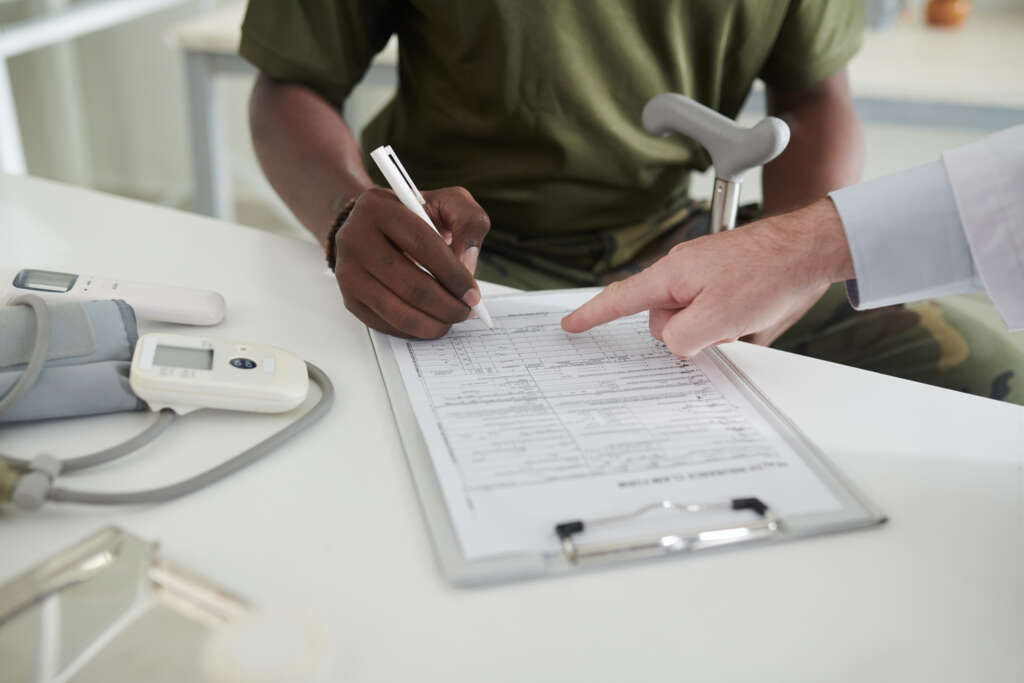
Veterans can file MST-related claims without providing details about the traumatic incident itself. The VA’s claim forms allow veterans to simply indicate that their condition resulted from “personal assault” or MST without describing specific details of what happened. This protects veterans’ privacy while still allowing the claim to be processed.
The VA often schedules Compensation and Pension (C&P) examinations with mental health professionals who have specialized training in trauma and MST. These examiners understand the unique aspects of military sexual trauma and are trained to conduct sensitive evaluations that don’t retraumatize veterans.
Veterans can request that their C&P examination be conducted by a same-gender examiner, and the VA makes efforts to accommodate these requests. The examination focuses on current symptoms and functioning rather than requiring detailed recounting of the traumatic events.
Support and Advocacy Resources
Every VA medical center has an MST coordinator whose job is to help veterans like you. These coordinators are specially trained, understand what you’ve been through, and can advocate for you throughout the entire process. You’re not alone in this.
The VA provides free, confidential counseling and treatment for MST-related mental health conditions regardless of whether a veteran has a service-connected disability rating. These services are available to all veterans who experienced MST, including those with other-than-honorable discharges who might not qualify for other VA benefits.
MST coordinators at every VA medical center provide specialized support and can help veterans navigate both treatment options and the disability claims process. These coordinators understand the unique challenges MST survivors face and can provide advocacy throughout the claims process.
Veterans can access MST-related mental health services while their disability claim is pending, and receiving treatment can actually strengthen the claim by providing current documentation of symptoms and functional limitations. The VA encourages veterans to seek treatment regardless of their claim status.
Common Challenges and Solutions
Many veterans worry that filing an MST-related claim will require them to provide extensive details about the trauma or face questioning about their military service. The VA’s procedures specifically address these concerns by allowing claims to proceed based on current symptoms and general timeframes rather than detailed incident reports.
Fear of retaliation or judgment often prevents veterans from filing MST claims, particularly those who experienced harassment or assault from superior officers. The VA’s claim process is confidential, and information about MST claims isn’t shared with other government agencies or entered into public records accessible to former military colleagues.
Veterans with other-than-honorable discharges may still qualify for MST-related benefits if the discharge resulted from the trauma itself. The VA can review discharge characterizations in cases where MST contributed to behavior that led to disciplinary action or less-than-honorable discharge status.
Maximizing Your MST Claim
Focus on current symptoms and how they affect daily life and work functioning rather than trying to prove specific details about past traumatic events. The VA rates mental health conditions based on their current impact on occupational and social functioning, making present-day limitations more important than historical documentation.
Gather any available evidence from service records, but don’t delay filing a claim if records are missing or incomplete. The VA can request military personnel records and will work with the limited documentation that’s available for many MST cases.
Consider working with a veterans service organization or accredited attorney who has experience with MST claims. These representatives understand the unique aspects of MST claims and can help navigate the process while protecting your privacy and advocating for appropriate ratings.
The VA’s MST information website provides comprehensive resources about both treatment services and disability benefits. Veterans can also contact the MST coordinator at their local VA medical center for confidential assistance with both treatment and claims questions.
Military Sexual Trauma affects veterans long after service ends, but you deserve support and the benefits you’ve earned. The VA has worked to create a more understanding approach to these claims because they recognize what you’ve been through. While the process might feel overwhelming, there are people specifically trained to help you through it with dignity and respect. You’ve already shown incredible strength through your service and survival – you deserve care and support now.

