



Share This Article
Short-term health insurance sounds like a reasonable solution when you’re between jobs or waiting for employer coverage to kick in. But these plans can be financial quicksand for anyone who doesn’t understand their massive limitations. Let’s separate the facts from the marketing hype and figure out when these plans actually help versus when they’ll leave you holding a crushing medical bill.
What Short-Term Plans Actually Cover (And What They Don’t)
Short-term medical insurance plans are designed for temporary gaps in coverage, typically lasting 30 days to 12 months. Unlike comprehensive health insurance, these plans can legally exclude coverage for pre-existing conditions, prescription drugs, mental health services, maternity care, and preventive services like annual checkups.
Here’s what catches people off guard: if you have any ongoing health condition (diabetes, high blood pressure, even seasonal allergies), short-term plans can deny your application entirely or refuse to pay for related treatments. Someone taking daily medication for anxiety might find their plan covers a broken arm but nothing related to their mental health care.
Most short-term plans also cap their total payouts. While a comprehensive health plan might cover $2 million in medical expenses annually, short-term plans often max out at $500,000 to $2 million lifetime. That sounds like a lot until you face cancer treatment or a major surgery, which can easily cost $300,000 or more.
Common Short-Term Plan Exclusions
• Pre-existing medical conditions
• Prescription medications (or very limited coverage)
• Maternity and newborn care
• Mental health and substance abuse treatment
• Preventive care and routine checkups
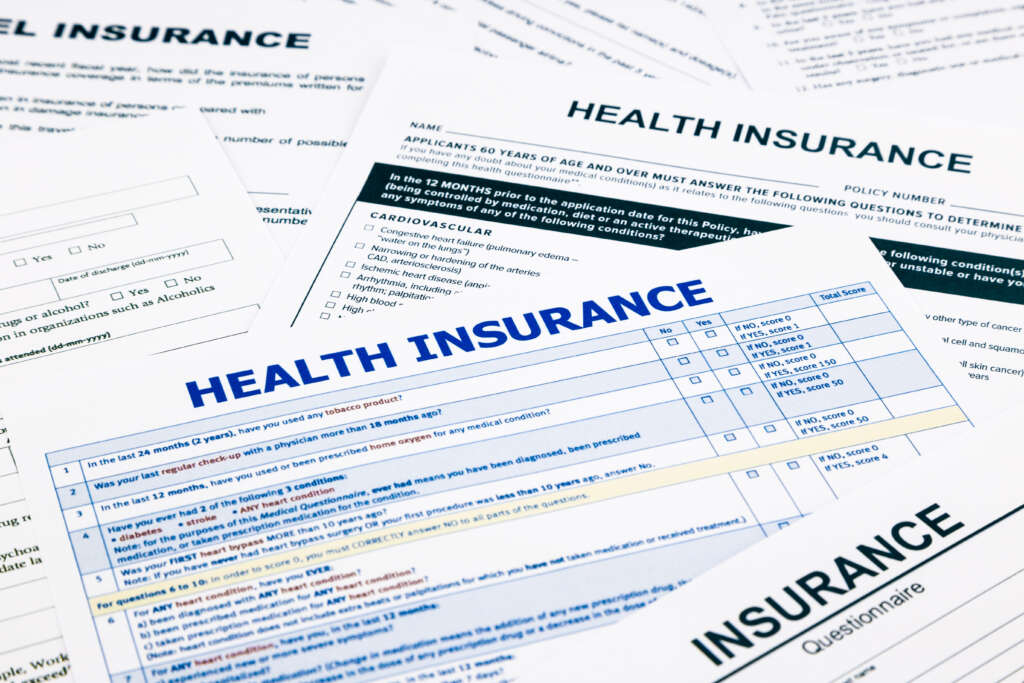
When Short-Term Plans Make Sense
Short-term health insurance works best for healthy people facing specific, temporary situations. If you’re 28 years old, take no medications, and need coverage for the two months between your old job’s COBRA ending and your new employer’s insurance starting, a short-term plan could save you money.
These plans typically cost 50% to 80% less than comprehensive coverage. A short-term plan might cost $150 per month compared to $400 for a marketplace plan. For someone in excellent health who just needs catastrophic coverage for a few months, the savings can be substantial.
The application process is also much faster than marketplace insurance. You can often get approved and covered within 24 to 48 hours, while marketplace plans require specific enrollment periods or qualifying life events.
The Hidden Traps That Cost People Thousands
The biggest danger with short-term plans isn’t what they exclude upfront, but how they handle unexpected discoveries. Let’s say someone applies for a short-term plan and honestly reports they’re healthy. Three months later, routine blood work reveals early-stage diabetes. The insurance company can retroactively cancel the entire policy and demand repayment of all claims if they determine diabetes symptoms existed before coverage began.
Medical underwriting (the process where insurers review your health history) happens after you file claims, not before. This means you might think you’re covered for months, only to discover the insurance company considers your condition pre-existing and won’t pay anything.
Short-term plans also reset their deductibles with each new term. If you have a $5,000 deductible and renew your plan after six months, you start over with a fresh $5,000 deductible. Someone with ongoing medical needs could end up paying multiple deductibles in a single year.
Better Alternatives Worth Considering
Before choosing a short-term plan, explore these options that might offer better protection:
COBRA continuation coverage: More expensive but maintains your full benefits from your previous employer’s plan. Worth it if you have ongoing medical needs or take regular medications.
Marketplace plans with subsidies: Check if you qualify for income-based premium tax credits on Healthcare.gov. Even mid-year, losing job-based coverage creates a special enrollment period.
Healthcare sharing ministries: These aren’t insurance but can provide some medical cost sharing for people with shared religious beliefs. They have their own limitations but might cover more than short-term plans.
Medicaid: If your income drops significantly, you might qualify for expanded Medicaid coverage, which provides comprehensive benefits at low or no cost.
Short-term health insurance isn’t inherently bad, but it’s not real health insurance either. It’s catastrophic coverage with significant gaps that could leave you financially vulnerable. For truly healthy people in temporary situations, it can provide basic protection. For everyone else, the risks often outweigh the savings.

