



Share This Article
When your water bill arrives and the numbers make you wince, you’re not alone. Water and sewer costs have climbed steadily, with many families now spending 2-4% of their income just to keep the taps running. The good news is that help exists at every level – from federal programs to local nonprofits – designed specifically for households feeling the pinch of rising utility costs.
Understanding these relief options can mean the difference between staying current on bills or facing a shutoff notice. Most people don’t realize how many resources are actually available until they need them.
Federal Programs: Your First Stop
Low Income Home Energy Assistance Program (LIHEAP)
While primarily known for heating and cooling assistance, LIHEAP often helps with water bills too, especially when water heating is your concern. Available in all 50 states, this federally funded program typically serves households earning up to 150% of the federal poverty line (about $45,000 for a family of four in 2025).
Many states use LIHEAP funds for emergency utility assistance, which can include water shutoff prevention. The program usually provides one-time grants ranging from $300 to $800, depending on your state and situation.
The LIHWAP Legacy
The Low Income Household Water Assistance Program provided direct water bill help through March 2024, but many states redirected remaining funds to other assistance programs. While new LIHWAP applications aren’t available, state agencies continue offering similar support through different funding streams.
State and Local Government Programs
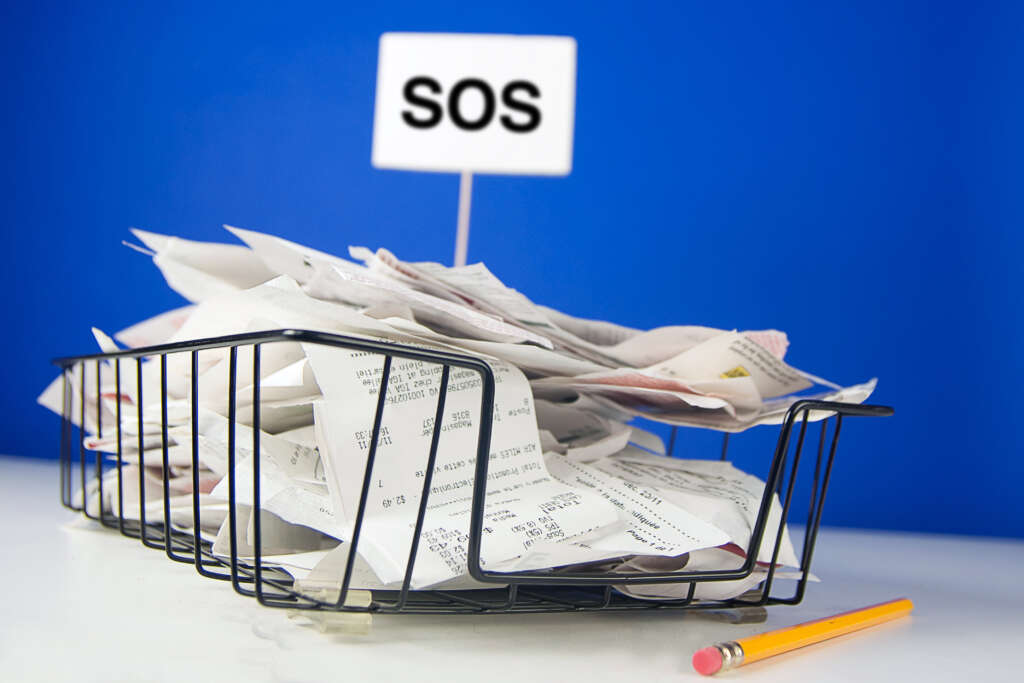
Every state approaches water assistance differently, but most offer some form of relief through their social services departments or utility commissions.
Utility Company Assistance Programs
Many water utilities run their own customer assistance programs, often called CAP (Customer Assistance Program). These programs typically offer:
• Monthly bill discounts of 25-40% for qualifying households
• Protection from service disconnection
• Extended payment plans
• Emergency crisis assistance
For example, San Francisco’s water utility provides 40% discounts for households earning 30% of area median income, while Portland offers sliding-scale discounts for those earning up to 60% of median income.
State Housing Finance Agencies
Contact your state housing finance agency – many now include water assistance in their programs alongside housing support. These agencies often have the most current information about available local programs.
Nonprofit and Community Organizations
The Salvation Army
The Salvation Army operates water assistance programs nationwide, often in partnership with local utilities. Their crisis assistance programs typically provide one-time payments ranging from $200 to $500 per year for eligible households.
To find your local office, visit their website and search by ZIP code, then look for “emergency financial assistance” or “utility assistance” services.
Community Action Agencies
These local organizations, found in virtually every county, specialize in connecting low-income families with assistance programs. Community Action Agencies often coordinate multiple funding sources to maximize the help available to each household.
211 Services
Dial 2-1-1 from any phone to speak with trained specialists who know local assistance programs. The 211 service, often funded by United Way, includes everything from emergency assistance to ongoing discount programs specific to your area.
How to Apply Successfully
Start with your water utility company – many offer assistance that doesn’t require extensive paperwork or long wait times. If you’re facing disconnection, mention this immediately, as most programs prioritize households with shutoff notices.
Gather these documents before applying:
• Recent water/sewer bills
• Proof of income for all household members
• Photo identification
• Proof of residence (lease or mortgage statement)
Most programs process applications within 2-3 weeks for standard requests, but emergency situations often receive help within 48-72 hours.
Smart Strategies for Combining Programs
Many households successfully layer multiple types of relief. You might qualify for a utility company discount program, receive emergency help from a nonprofit, and get crisis support through LIHEAP – all for the same household.
Keep track of which programs you’ve used and when, as most have restrictions on how frequently you can receive help. Some allow assistance once per year, while others have lifetime limits.
If your income fluctuates seasonally or you’re between jobs, apply for ongoing discount programs rather than just emergency relief. These programs often provide more substantial long-term help.
Key Takeaways
• Contact your water utility first – many offer immediate assistance and payment plans
• Dial 2-1-1 to find local assistance programs specific to your area
• Apply for LIHEAP through your state agency, as many include water assistance
• The Salvation Army and Community Action Agencies provide emergency help nationwide
• Layer multiple programs for maximum help – most don’t prohibit combining different types of relief
• Apply before facing shutoff when possible, but emergency programs exist for crisis situations

