



Share This Article
Remember when your parents seemed to suddenly struggle with the stairs that had never bothered them before? Or when opening a tight jar lid became impossible overnight? These changes don’t actually happen suddenly…they’re gradual shifts that catch us off guard because we weren’t paying attention. That’s exactly why planning for aging in place needs to start much earlier than most people think.
If you’re reading this and you’re anywhere past 50, now is the perfect time to start. If you’re in your 40s and thinking “this doesn’t apply to me yet,” you’re exactly who needs to hear this most.
The Reality Check: Most Homes Aren’t Ready
Here’s something that might surprise you: only 10% of American homes are ready for aging in place, yet 77% of adults hope to grow old in the safety and comfort of their own home. That’s a pretty big gap between what we want and what we’re prepared for.
The math is simple: if you wait until you need help to start planning, you’re likely to feel overwhelmed, rushed, and limited in your choices. But if you start planning in your 50s or early 60s, you can make thoughtful decisions while you’re still healthy and have time to research, save, and implement changes gradually.
Why Your 50s Are the Sweet Spot for Planning
Planning in your 50s gives you a 15-20 year runway to make smart decisions. You’re old enough to start experiencing those first hints that your body might not always cooperate…maybe your knees ache after gardening or you need reading glasses…but you’re young enough to take action without feeling panicked.
The best time to think about how to age in place is before you need a lot of care. Planning ahead allows you to make important decisions while you are still able. This isn’t about being pessimistic; it’s about being realistic and giving yourself options.
Start with an Honest Assessment
Walk through your home with fresh eyes. Are there steps to get inside? Is the master bedroom on the second floor? How narrow are the hallways and doorways? Is the bathroom accessible if you had mobility issues? You don’t need to change everything now, but identifying potential challenges gives you time to plan.
The Financial Reality: It’s Cheaper to Plan Ahead
Home modifications can be expensive, typically ranging from $3,000 to $15,000, with the average spend nationally being $9,500. While that might sound daunting, consider this: the average monthly cost for assisted living in 2021 was $4,500, meaning you’d spend more than your entire home modification budget in just two months of care facility costs.
More extensive modifications can run $25,000 to $50,000, but when you spread that cost over 10-15 years of planning, it becomes much more manageable. Starting early also gives you time to look for sales, research contractors, and even do some projects yourself.
Smart Financial Strategies
• Start a dedicated “aging in place” savings account in your 50s
• Consider modifications during other renovations to spread costs
• Look into state and local assistance programs through your Area Agency on Aging
• Check if your state offers tax credits for accessibility improvements
What to Tackle First (And What Can Wait)

Not everything needs to happen at once. Focus on safety first, then comfort and convenience.
Priority #1: Safety Essentials
• Install grab bars in bathrooms ($20-200 each)
• Improve lighting throughout the house
• Remove trip hazards like loose rugs
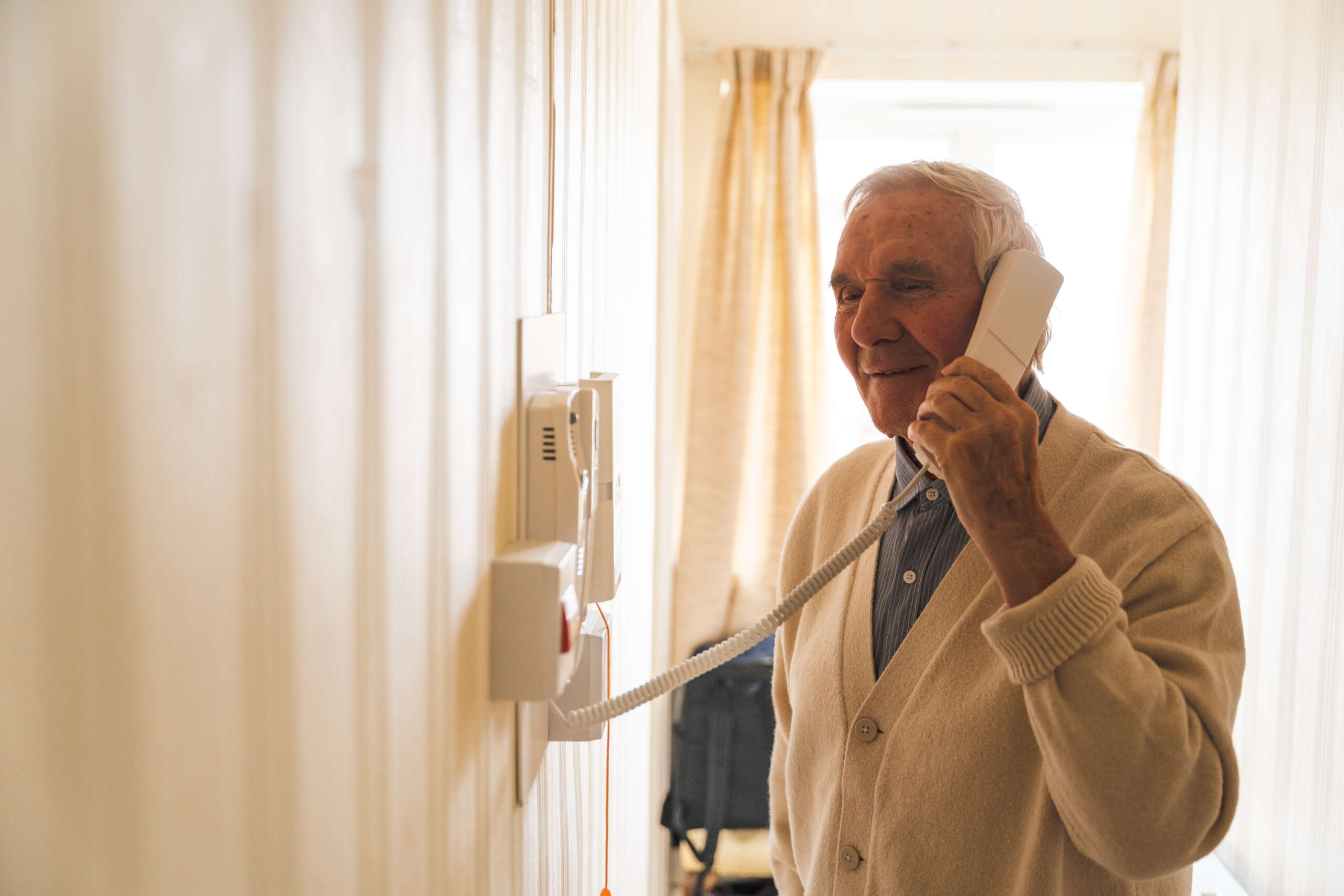
• Consider a medical alert system
Priority #2: Accessibility Basics
• Create at least one step-free entrance ($1,000-4,000)
• Widen key doorways if needed ($500-2,000 each)
• Ensure at least one full bathroom is accessible
• Consider a bedroom on the main floor
Priority #3: Convenience Upgrades
• Replace doorknobs with lever handles ($20-25 each)
• Install motion sensor lights
• Update kitchen for easier use
• Consider smart home features for convenience
Building Your Support Network Now
Physical modifications are only part of the equation. Talk with your family, friends, and other caregivers about what support is needed for you to stay in your home. Be realistic and plan to revisit the decision as your needs change over time.
Start having conversations with your adult children, close friends, and neighbors about your intentions. Research local resources like your Area Agency on Aging and the Eldercare Locator (call 800-677-1116) while you don’t urgently need them.
Health Considerations: Plan for What You Know
If you have chronic conditions like diabetes, heart disease, or arthritis, factor these into your planning. Find out about how the illness could make it hard for someone to get around or take care of themselves in the future. Your health care provider can help answer your questions.
This isn’t about assuming the worst…it’s about being prepared for manageable changes. If you already use reading glasses, plan for good lighting. If you have joint issues, consider how you’ll manage stairs in the future.
Technology: Your Future Best Friend
Smart home technology keeps getting better and more affordable. Features like voice-activated controls, automatic lighting, and security systems can help you maintain independence longer. You don’t need to install everything now, but staying aware of options helps you plan.
The Emotional Side: It’s Not Giving Up, It’s Taking Control
Some people resist aging in place planning because it feels like admitting defeat. Actually, it’s the opposite. Planning ahead means you get to stay in control of your choices instead of having decisions forced on you during a crisis.
Staying in a familiar environment offers emotional stability, curtailing feelings of displacement and uprooting. When you plan ahead, you preserve that emotional security while ensuring your physical safety.
Getting Professional Help
Consider working with a Certified Aging-in-Place Specialist (CAPS) who can assess your home and recommend modifications. An occupational therapist can also evaluate your space and suggest improvements. These consultations often cost a few hundred dollars but can save you thousands in the long run by helping you prioritize the most important changes.
Your future self will thank you for starting this conversation now, while you have the luxury of time and choice. Aging in place successfully isn’t about pretending you’ll never change—it’s about planning for those changes so you can stay exactly where you want to be.
Key Takeaways
• Start planning in your 50s when you have 15-20 years to make gradual changes and save money
• Home modifications average $3,000-15,000 but cost far less than assisted living at $4,500+ monthly
• Only 10% of homes are currently ready for aging in place, despite 77% of adults wanting to age at home
• Focus first on safety (grab bars, lighting, trip hazards), then accessibility (doorways, entrances), then convenience features
• Build your support network and research local resources before you need them urgently

