


Share This Article
Nothing beats gathering around a crackling fire on a cool evening, watching sparks dance against the night sky while roasting marshmallows, sipping on drinks, sharing stories, or all of it! Building your own backyard fire pit doesn’t require advanced construction skills or a hefty budget. With basic materials and one weekend, you can create a cozy gathering spot that’ll become the heart of your outdoor entertaining space.
Planning Your Fire Pit Location
Safety First: Choosing the Right Spot
Before you start digging, take time to scout the ideal location. Position your fire pit at least 10 feet away from any structures, vehicles, or overhanging branches. This distance isn’t just an arbitrary suggestion: it’s essential for preventing accidental fires and ensuring everyone’s safety.
Walk around your yard and check for underground utilities before breaking ground. Call 811 (the national “Call Before You Dig” hotline) at least two business days before starting your project. This free service marks underground lines and prevents costly accidents.
Legal and Insurance Considerations
Contact your local building department to check whether fire pits require permits in your area. Some municipalities restrict open fires during dry seasons, while others prohibit them entirely in certain neighborhoods. Your homeowner’s insurance company should also know about your new fire feature. Most policies won’t be affected, but it’s better to confirm this upfront.
Check your HOA guidelines too. Some associations have specific requirements about fire pit placement, size, or design that knowing about now could save you headaches later.
Essential Materials and Tools
Materials Shopping List
Here’s what you’ll need for a standard 4-foot diameter fire pit:
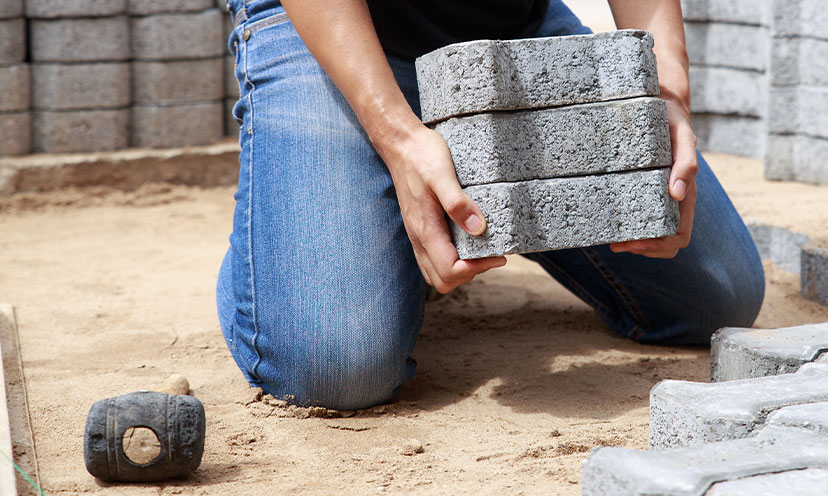
- 36-42 retaining wall blocks (approximately $1-2 each)
- 3-4 bags of paver base gravel ($5-6 per bag)
- Construction adhesive for securing blocks ($4-6)
- Fire bricks for interior lining (optional but highly recommended, $15-25)
- Sand for leveling base ($3-5 per bag)
Tool Requirements
- Shovel for excavation
- Hand tamper for compacting base material
- 4-foot level for ensuring even construction
- Rubber mallet for fine-tuning block placement
- Garden hose for marking your circle
- Wheelbarrow for moving materials
- Work gloves for handling rough blocks
Step-by-Step Construction Process
Step 1: Mark Your Circle and Excavate
Use a garden hose to outline a circle roughly 4 feet in diameter. This size works well for most DIY builders while keeping material costs reasonable. Mark the hose placement with spray paint, then move the hose aside.
Dig out grass and soil to a depth of 4-6 inches within your marked area. Keep the excavated soil slightly damp if you plan to reuse it elsewhere in your yard. The hole doesn’t need to be perfectly round, but aim for consistent depth throughout.
Step 2: Build a Rock-Solid Foundation
Add 2-3 inches of paver base gravel to your excavated area. Wet the gravel thoroughly with a garden hose—this helps it compact better and creates a more stable base. Use a hand tamper to compress the gravel firmly.
Add another inch of gravel and repeat the wetting and tamping process. This foundation prevents settling and keeps your fire pit level for years to come. Check multiple points with your 4-foot level to ensure the base is even.

Step 3: Install Your First Ring
Arrange 12-14 retaining wall blocks in a circle on your prepared base. Each block should touch its neighbors snugly. Use your level frequently during this step.
If individual blocks sit too high or low, add or remove sand underneath until everything aligns properly. Take your time here; this foundation ring determines how the rest of your fire pit will look.
Step 4: Stack Additional Layers
Add your second layer of blocks, making sure to stagger the joints so they don’t line up with the first row. This creates a stronger structure that won’t shift over time. Apply construction adhesive between layers according to the manufacturer’s instructions.
Most fire pits look great with three layers of blocks, but you can stop at two if you prefer a lower profile. Leave small gaps between blocks in the upper rows to allow airflow. This helps your fires burn more efficiently.
Interior Finishing and Safety Features
Protecting Your Investment with Fire Bricks
Line the interior walls with fire bricks to protect your concrete blocks from direct heat exposure. Regular concrete blocks can crack when exposed to high temperatures repeatedly, but fire bricks handle the heat without problems.
Add 2-3 inches of lava rock or sand to the bottom of your fire pit. This layer helps with drainage and distributes heat more evenly, preventing hot spots that could damage your foundation.
Drainage That Works
Water accumulation inside your fire pit can cause serious problems, especially in areas where freezing occurs. The gravel base handles most drainage needs, but adding sand inside the fire ring absorbs any moisture that does collect.
Consider sloping the interior floor slightly toward one side if you live in a particularly wet climate. This subtle grade helps water flow out rather than pooling in the center.
Smart Shopping and Budget Tips
Breaking Down the Costs
Here’s what you can expect to spend:
- Retaining wall blocks (36 pieces): $36-72
- Paver base gravel (4 bags): $20-24
- Construction adhesive: $4-6
- Fire bricks (optional): $15-25
- Sand for leveling: $3-5
- Total project cost: $78-132
Stretching Your Dollars
Shop around for block prices. They vary significantly between home improvement stores, landscape supply companies, and concrete yards. End-of-season sales in late fall often offer the best deals on hardscape materials.
Check for slightly damaged inventory that’s been marked down. Small chips or scratches won’t affect functionality, and you’ll often save 20-30% on these blocks.
Maintenance and Long-Term Care
Keeping Your Fire Pit in Top Shape
Remove ash and debris after each use, but wait until everything has cooled completely. This usually takes 12-24 hours. Store ashes in a metal container with a tight lid, away from combustible materials.
Inspect your blocks regularly for shifting, cracking, or other damage. Address small issues immediately to prevent bigger problems later.
Seasonal Protection Strategies
Cover your fire pit during extended periods of non-use to prevent water accumulation. In areas with harsh winters, consider storing removable components like cooking grates indoors to prevent rust and deterioration.
Some homeowners fill their fire pits with sand during winter months to prevent water from freezing inside the structure. This simple step can prevent expensive crack repairs come spring.
Final Thoughts
Building your own fire pit creates more than just a place to burn wood. It becomes a gathering point that brings family and friends together naturally. The construction process requires no special masonry skills, making this an ideal first project for DIY beginners who want to tackle something substantial but manageable.
With proper planning and quality materials, your weekend effort will result in a durable outdoor feature that enhances both your property value and adds fun to your backyard.

